
Gemini 4 Carbon became a model choice in AI Mode on 10 November 2026, for Google AI Ultra subscribers only. Google says it understands intent better and holds deeper back and forth conversations. The audience is small and paid, so nothing changes in your traffic this month. What it does show is the kind of technical question your content will have to survive.
Who can use it
Google's own announcement says Carbon is rolling out to all Google AI Ultra subscribers in the Gemini app, Google Antigravity and AI Mode in Search, and to developers and businesses through the API.
The details for Search come from Android Authority. Subscribers pick Gemini 4 Carbon from the model menu in AI Mode. It needs a personal Google account, it is limited to people 18 and over in supported countries, and it has daily usage limits. AI Ultra starts at $100 a month in the US. Google gave no timeline for cheaper plans.
Carbon is not new to everyone. Android Authority notes that a group of cybersecurity defenders got it in late October, two weeks before this wider rollout.
What Google says changes in Search
Search Engine Roundtable collected the posts from Google's Search team. One promised "deeper reasoning & better instruction following" for the hardest questions in AI Mode. Another said Carbon "better understands your intent" so users can have deeper back and forth conversations.
Google is also clear that Carbon is the specialist model. Its blog post says Gemini 4 Argon remains the right choice for most software engineering and knowledge work, while Carbon is built for tasks that test the limits of a model, using more tokens to explore, reason and run longer verification loops.
For context on interest: in our Google Trends check on 11 November 2026, searches for "gemini 4 carbon" in the last seven days were up 533% on the 83 days before.
What it means for B2B tech content
Google has published nothing about ranking or traffic effects, and we would not attribute any change in your numbers to this release. The section below is our view of the direction, not a measured effect.
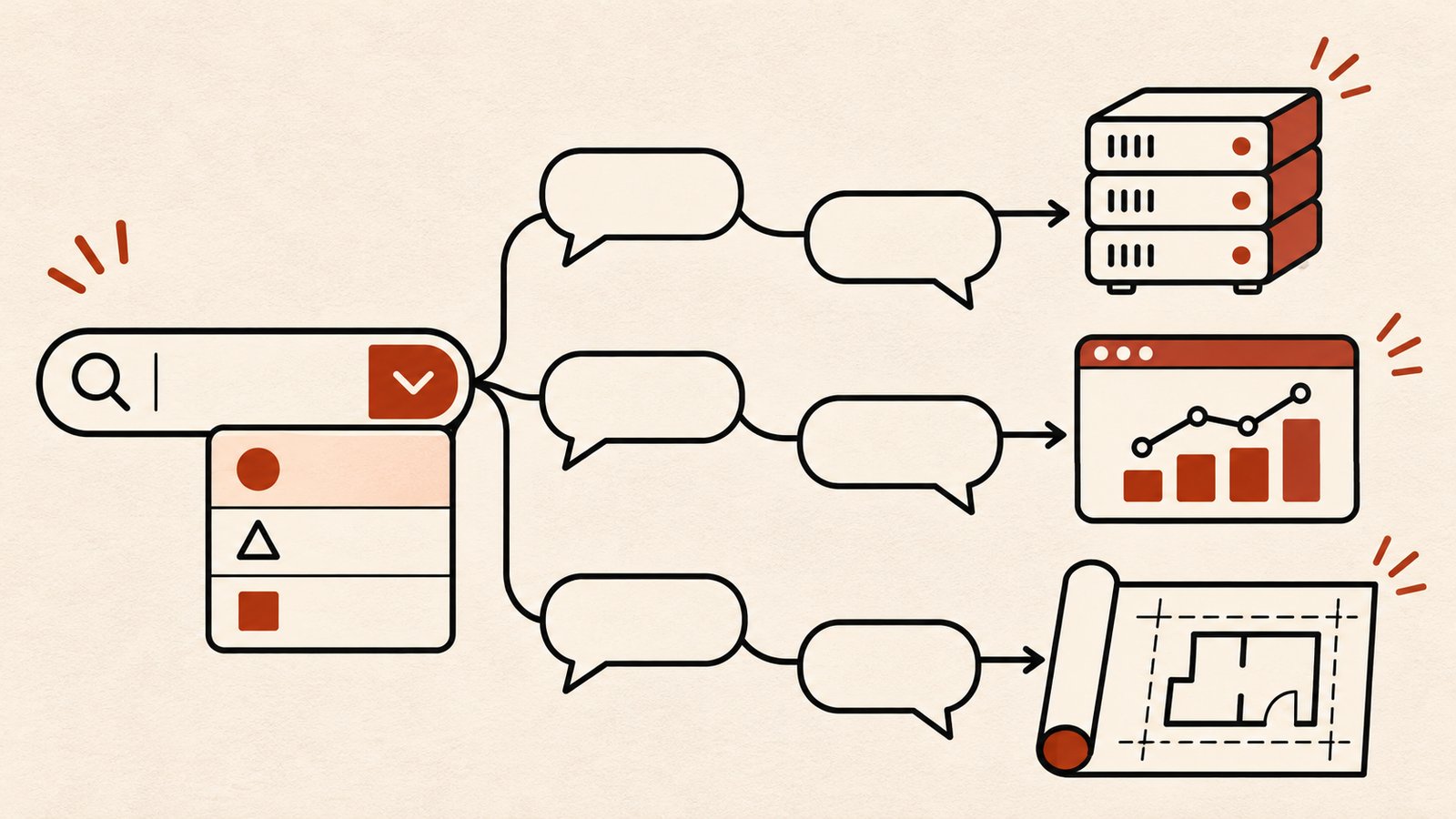
A buyer evaluating complex software rarely asks one question. They ask what a product does, then whether it works with their stack, then what breaks at scale. A model that follows intent across several turns will go looking for pages that answer the second and third question, not only the first. Four things help:
1. Publish the specifications. Supported platforms, limits, protocols, integration requirements. A model checking compatibility needs facts it can quote. 2. State the boundaries. Say where your product fits and where it does not. Pages that admit trade-offs give a model something reliable to work with when a follow-up probes an edge case. 3. Write real comparison pages. Generic feature grids add little. Explain how implementation, configuration and maintenance differ from the alternatives a buyer is weighing. 4. Structure for follow-ups. Descriptive subheadings and short, self-contained answers let a model pull the right section when the conversation moves on.
None of this is new advice for technical content. Carbon in AI Mode simply raises the cost of skipping it. Our notes on Connected Apps in AI Mode and the Google November 2026 core update cover the other moves Google made in Search this autumn.
What to do this week
Nothing urgent. Keep your core update log running, since that rollout started the same day and may take two weeks. Then pick the three questions your best prospects ask after the first sales call, and check whether your site answers each one on a page a model could find.